


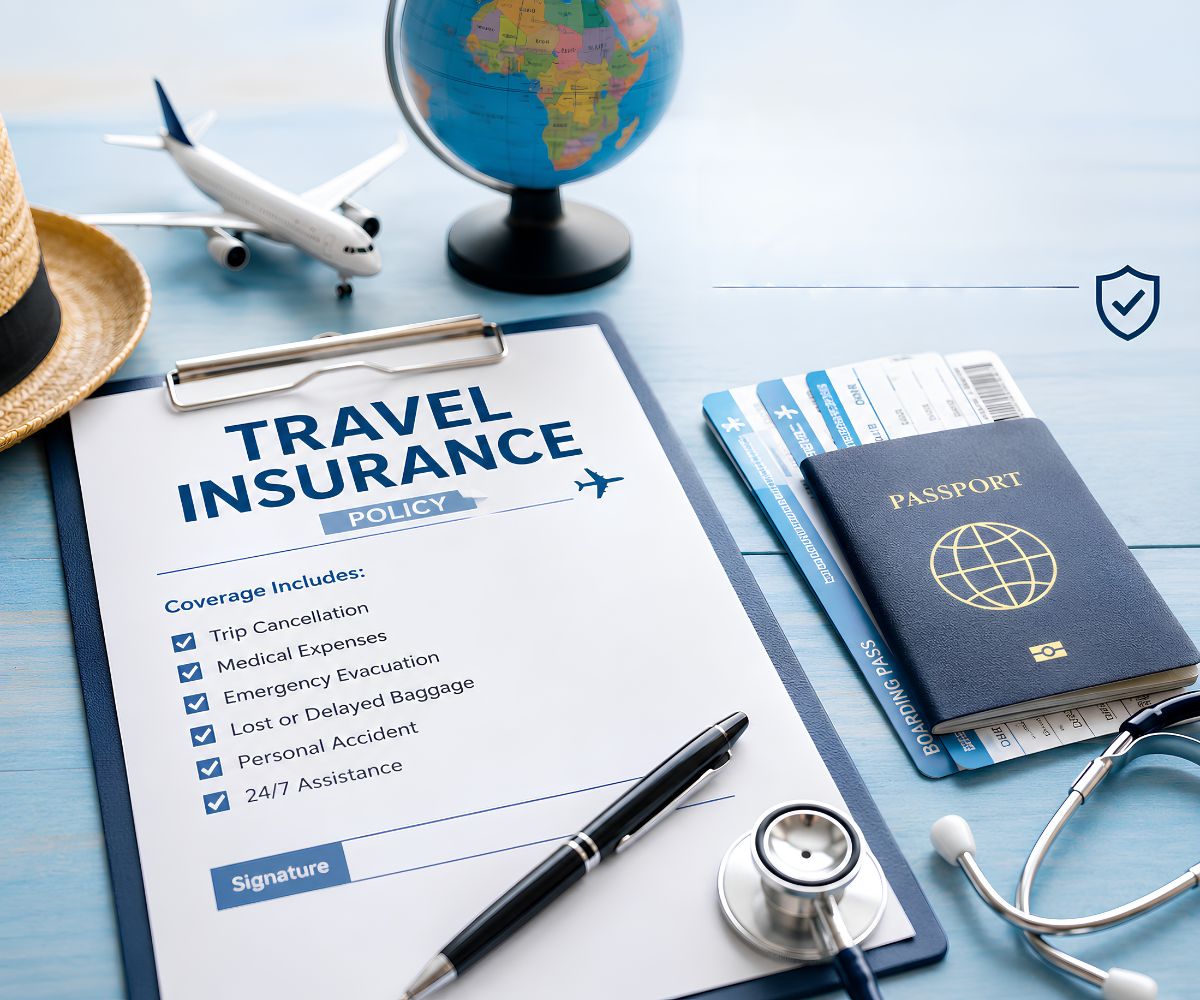
Travel insurance is now a key part of international travel. In many countries, it is required for visa approval or entry. In others, it is not mandatory, but it can still protect you from high medical bills, trip cancellations, lost baggage, and emergencies.
This guide gives a simple overview of travel insurance rules for major destinations in 2026.
What Is Travel Insurance?
Travel insurance helps cover unexpected problems during a trip, such as:
- Emergency medical care
- Hospital stays
- Medical evacuation
- Trip cancellation or interruption
- Lost or delayed baggage
- Flight delays
- Personal accidents
- Emergency assistance
Why Travel Insurance Matters
Medical care abroad can be very expensive.
Examples:
- A hospital visit in the United States can cost thousands of dollars.
- Emergency treatment in Europe can be costly.
- Medical evacuation from remote areas may cost more than $50,000.
Travel insurance helps reduce these risks.
Schengen Countries (Europe)
Is Travel Insurance Mandatory?
✅ Yes
A Schengen visa requires travel medical insurance.
Minimum Requirement
- At least €30,000 in medical coverage
- Valid in all Schengen countries
- Covers emergency treatment
- Covers hospitalization
- Covers medical repatriation
- Covers repatriation of remains
Countries Include
- France
- Germany
- Italy
- Spain
- Netherlands
- Portugal
- Belgium
- Switzerland
- Sweden
- Norway
- Finland
- Greece
- Austria
Recommended Coverage
€50,000–€100,000
Canada
Is Travel Insurance Mandatory?
❌ Not for most visitor visas
Still, it is strongly recommended.
Why It Helps
Healthcare in Canada can be expensive for visitors, and some hospitals ask for payment before treatment.
Recommended Coverage
- CAD 100,000 or more
- Emergency medical care
- Hospitalization
- Emergency evacuation
- Prescription drugs
- COVID-related treatment
Super Visa Applicants
Parents and grandparents applying for a Super Visa must have:
- At least CAD 100,000 in medical insurance
- Coverage for at least one year
- A policy from a Canadian insurance provider
United States
Is Travel Insurance Mandatory?
❌ No
But it is highly recommended because U.S. healthcare costs are among the highest in the world.
Recommended Coverage
- $100,000 or more in medical coverage
- Emergency evacuation
- Trip cancellation
- Medical repatriation
Why It Matters
Even a short hospital visit can be very expensive, and major treatment can cost tens of thousands of dollars.
United Kingdom
Is Travel Insurance Mandatory?
❌ No
It is not required for tourist visas, but it is still a smart choice.
Recommended Coverage
- Medical expenses
- Trip cancellation
- Lost baggage
- Personal liability
- Emergency assistance
Suggested Amount
£50,000–£100,000
Australia
Is Travel Insurance Mandatory?
Usually ❌ No for tourists
However, it is strongly recommended.
Student Visa Applicants
Many international students must have:
- Overseas Student Health Cover (OSHC)
- Coverage for the full study period
Recommended Coverage
AUD 100,000 or more
New Zealand
Is Travel Insurance Mandatory?
❌ Usually not for tourists
Some schools and universities require insurance for international students.
Recommended Coverage
- Emergency medical treatment
- Trip cancellation
- Emergency evacuation
- Personal liability
United Arab Emirates (UAE)
Is Travel Insurance Mandatory?
✅ Yes, for many visa types
Some airlines and visa services also ask for proof of insurance.
Recommended Coverage
- Medical treatment
- Emergency hospitalization
- COVID-related care
- Personal accident coverage
- Emergency evacuation
Suggested Amount
$50,000 or more
Thailand
Is Travel Insurance Mandatory?
It depends on the visa type.
Long-stay and retirement visas may require health insurance.
Recommended Coverage
- Medical expenses
- Emergency treatment
- Personal accident coverage
- Emergency evacuation
Suggested Amount
$50,000–$100,000
Japan
Is Travel Insurance Mandatory?
❌ No
Still, travelers are strongly encouraged to buy it because medical care can be costly.
Recommended Coverage
- Medical treatment
- Hospitalization
- Emergency assistance
- Trip interruption
Singapore
Is Travel Insurance Mandatory?
❌ Usually no
But it is strongly recommended for all travelers.
Recommended Coverage
- Medical care
- Hospital expenses
- Trip cancellation
- Lost luggage
- Emergency evacuation
Saudi Arabia
Is Travel Insurance Mandatory?
✅ Yes
Travel health insurance is usually required for:
- Tourist visas
- Umrah visas
- Many short-term visit visas
Insurance is often included in the visa process.
China
Is Travel Insurance Mandatory?
❌ Usually no
Still, comprehensive travel insurance is a good idea.
Recommended Coverage
- Medical emergencies
- Hospitalization
- Personal accident coverage
- Emergency evacuation
Student Travel Insurance Requirements
Many countries require international students to have health insurance.
| Country | Insurance Requirement |
|---|---|
| Australia | OSHC required |
| Canada | Provincial or private insurance |
| Germany | Student health insurance required |
| France | Student health insurance required |
| USA | Depends on the university |
| New Zealand | Required by many institutions |
Recommended Coverage by Destination
| Destination | Recommended Coverage |
|---|---|
| Schengen Countries | €30,000–€100,000 |
| Canada | CAD 100,000+ |
| USA | $100,000+ |
| UK | £50,000+ |
| Australia | AUD 100,000+ |
| UAE | $50,000+ |
| Thailand | $50,000–$100,000 |
| Japan | $50,000+ |
What a Good Travel Insurance Policy Should Include
A strong policy should cover:
- Emergency medical treatment
- Hospitalization
- Medical evacuation
- Repatriation of remains
- Trip cancellation
- Trip interruption
- Lost baggage
- Flight delays
- Personal accident coverage
- 24-hour emergency support
How to Choose the Right Travel Insurance
- Compare Providers
- Check Visa Rules
- Read the Policy
- Match Coverage to Your Destination
- Buy Early
Final Thoughts
Travel insurance is no longer just an extra cost. For many travelers, it is a travel essential. In 2026, countries like those in the Schengen Area and Saudi Arabia require valid insurance before entry. Even where it is not required, it can save you from major financial loss.
Before your next trip, always check the latest visa and insurance rules and choose a policy that fits your destination and travel plans.